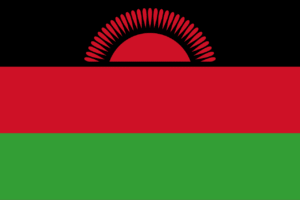

According to the International Labour Organization, women make up nearly half of the global workforce but often face significant barriers to advancement. In Malawi, these challenges are no exception, yet there is a growing recognition of the importance of women’s contributions to economic development. This article delves into the career opportunities available to women in Malawi and explores how they can navigate their way to leadership positions. We will also discuss some of the challenges faced by women in the workplace and provide practical advice for overcoming them.
The Current State of Women in the Malawian Workforce
In Malawi, women constitute approximately 50% of the total labor force, contributing significantly to both the agricultural and non-agricultural sectors. However, despite their substantial presence, women often occupy lower-paying jobs and hold fewer leadership positions compared to their male counterparts. This disparity is influenced by a variety of factors, including cultural norms, lack of access to education and training, and gender-based discrimination.
Key Sectors for Women in Malawi
While women are active in many sectors, some industries offer particularly promising career opportunities:
- Agriculture: Given that agriculture is the backbone of Malawi’s economy, women play a crucial role in this sector. They are involved in farming, processing, and marketing agricultural products. Organizations like the Ministry of Agriculture, Irrigation, and Water Development are key players in promoting women’s participation in agriculture.
- Healthcare: The healthcare sector offers numerous opportunities for women to contribute to public health initiatives. Positions such as nurses, midwives, and community health workers are vital in addressing maternal and child health issues. Institutions like the College of Medicine and the Lilongwe University of Agriculture and Natural Resources provide training programs for aspiring healthcare professionals.
- Education: Educating the next generation is essential for Malawi’s development, and women are well-represented in this field. Teachers, school administrators, and educational policymakers are all critical roles that women can excel in. The Ministry of Education, Science, and Technology supports initiatives aimed at improving the quality of education and increasing female representation in leadership positions.
- Finance and Banking: While traditionally male-dominated, the finance and banking sector is increasingly recognizing the value of diversity. Women can pursue careers as accountants, financial analysts, and bank managers. Financial institutions in Malawi are implementing policies to promote gender equality and inclusivity.
Challenges Faced by Women in the Malawian Workforce
Despite the progress made, women in Malawi still encounter several obstacles that hinder their career advancement:
- Cultural Norms: Traditional gender roles often limit women’s opportunities. For example, women may be expected to prioritize domestic responsibilities over professional aspirations, which can restrict their ability to pursue higher education or full-time employment.
- Lack of Access to Education: Education is a powerful tool for empowerment, but many women in Malawi lack access to quality education. This gap can result in limited job prospects and reduced earning potential.
- Gender-Based Discrimination: Women may face discrimination in the workplace, including unequal pay, sexual harassment, and exclusion from decision-making processes. Addressing these issues requires a concerted effort from employers, policymakers, and civil society organizations.
Strategies for Overcoming Challenges and Achieving Leadership
To overcome the challenges and achieve leadership roles, women in Malawi can adopt the following strategies:
Educate Yourself
Pursuing higher education is one of the most effective ways to enhance career prospects. Women should consider enrolling in vocational training programs, technical schools, or universities to acquire the skills needed for leadership positions. Scholarships and grants are available through various organizations to support women’s education.
Seek Mentorship
Mentorship can provide guidance, support, and networking opportunities. Women should seek out mentors who can offer advice on career development and help navigate the challenges of the workplace. Professional associations and industry groups often have mentorship programs specifically designed for women.
Build Your Network
A strong professional network can open doors to new opportunities. Women should actively participate in industry events, join professional organizations, and connect with peers and leaders in their field. Networking can also help build confidence and increase visibility within the organization.
Advocate for Gender Equality
Women should advocate for policies and practices that promote gender equality in the workplace. This includes advocating for equal pay, fair hiring practices, and inclusive leadership. By speaking out against discrimination and championing gender equality, women can help create a more equitable work environment.
Success Stories: Women Leading in Malawi
Several women in Malawi have achieved remarkable success in their respective fields, serving as inspiring role models for others:
- Dr. Christine Kanyama: As a renowned environmental scientist, Dr. Kanyama has made significant contributions to sustainable development in Malawi. She has worked on projects related to climate change, renewable energy, and waste management. Her expertise and leadership have earned her international recognition.
- Grace Chilima: Grace Chilima is a successful entrepreneur and businesswoman who founded Grace Foods, a company that produces and distributes food products. She has been recognized for her efforts in promoting entrepreneurship and supporting local businesses. Grace’s story demonstrates the potential for women to succeed in the private sector.
- Dr. Elizabeth Chizema: Dr. Chizema is a pediatrician and public health advocate who has dedicated her career to improving child health outcomes in Malawi. She has worked with various organizations to implement health programs and train healthcare workers. Dr. Chizema’s commitment to public health has made a significant impact on the lives of many children in Malawi.
Frequently Asked Questions (FAQ)
What are the main challenges faced by women in the Malawian workforce?
The main challenges include cultural norms that limit women’s opportunities, lack of access to education, and gender-based discrimination in the workplace.
How can women overcome these challenges?
Women can overcome these challenges by educating themselves, seeking mentorship, building their network, and advocating for gender equality.
What sectors offer the best career opportunities for women in Malawi?
Women can find promising career opportunities in agriculture, healthcare, education, and finance and banking.
Are there any organizations supporting women’s career development in Malawi?
Yes, several organizations support women’s career development, including the Ministry of Agriculture, Irrigation, and Water Development, the College of Medicine, and the Lilongwe University of Agriculture and Natural Resources.
Conclusion
Women in Malawi face unique challenges in the workforce, but there are also numerous opportunities for growth and leadership. By pursuing education, seeking mentorship, building networks, and advocating for gender equality, women can overcome obstacles and achieve success in their careers. The stories of Dr. Christine Kanyama, Grace Chilima, and Dr. Elizabeth Chizema serve as inspiration for women in Malawi who aspire to make a difference in their communities. To learn more about career opportunities and resources available to women in Malawi, visit Malawi Job Search.
For those interested in exploring career opportunities in neighboring countries, Morocco Job Search offers insights into the job market in Morocco.