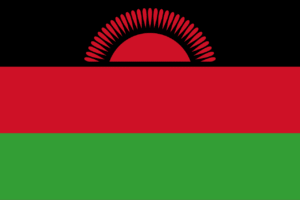

Malawi, a country rich in natural beauty and cultural heritage, also boasts a growing need for skilled healthcare professionals. Whether you’re a recent graduate or an experienced healthcare worker looking for new opportunities, the healthcare sector in Malawi presents a variety of roles within hospitals and clinics. This article delves into the different career paths available, the qualifications required, and practical advice on how to secure a position in this essential field.
The Importance of Healthcare in Malawi
Healthcare is a cornerstone of any nation’s development, and Malawi is no exception. With a population of over 19 million people, the demand for quality healthcare services is significant. However, like many developing countries, Malawi faces challenges such as limited resources, understaffing, and a high burden of diseases including malaria, HIV/AIDS, and tuberculosis. These factors underscore the critical role that healthcare workers play in improving public health outcomes.
Career Opportunities in Hospitals and Clinics
The healthcare sector in Malawi encompasses a wide range of roles, each contributing to the overall delivery of care. Here are some of the most common positions available:
Nurses
Nursing is one of the largest professions in healthcare, and Malawi has a strong need for qualified nurses. Nurses provide direct patient care, administer medications, monitor patients’ conditions, and educate patients and their families. To become a nurse in Malawi, you typically need to complete a diploma or degree program in nursing from an accredited institution.
Doctors
Physicians diagnose and treat illnesses and injuries. Specialties in Malawi include general practice, pediatrics, obstetrics and gynecology, and surgery. Becoming a doctor requires completing a bachelor’s degree in medicine and surgery, followed by postgraduate training in a specific specialty.
Medical Assistants
Medical assistants support doctors and nurses by performing administrative and clinical tasks. They may schedule appointments, take medical histories, assist with examinations, and prepare patients for procedures. Training programs for medical assistants are available through vocational schools and community colleges.
Pharmacists
Pharmacists dispense medications prescribed by doctors and provide advice on their safe use. They also manage medication inventories and ensure compliance with regulations. A degree in pharmacy from an accredited institution is necessary to practice as a pharmacist in Malawi.
Public Health Officers
Public health officers work to prevent disease and promote health within communities. They develop and implement health education programs, conduct health surveys, and collaborate with other agencies to address public health issues. A background in public health or a related field is beneficial for this role.
Qualifications and Training
To pursue a career in healthcare in Malawi, it’s important to meet the necessary qualifications and undergo appropriate training. Here are some key points to consider:
- Educational Requirements: Most healthcare roles require a formal education from an accredited institution. This could range from a diploma in nursing to a degree in medicine or public health.
- Licensing and Certification: Many professions in healthcare require licensing or certification to practice legally. Check with relevant regulatory bodies to determine the specific requirements for your desired role.
- Continuing Education: Keeping up-to-date with the latest medical practices and technologies is crucial. Participate in continuing education courses and workshops to enhance your skills and knowledge.
How to Apply for Healthcare Jobs in Malawi
Securing a healthcare job in Malawi involves several steps. Follow these guidelines to increase your chances of success:
- Identify Job Openings: Look for job postings in local newspapers, online job boards, and healthcare facilities. Keep an eye out for announcements from government health departments and non-governmental organizations.
- Prepare Your Resume: Tailor your resume to highlight your relevant experience, education, and skills. Include any certifications or licenses you hold.
- Write a Cover Letter: Accompany your resume with a cover letter that expresses your interest in the position and explains why you are a good fit for the role.
- Attend Interviews: Be prepared to answer questions about your qualifications, experience, and motivation for joining the healthcare profession in Malawi.
- Follow Up: After interviews, send a thank-you note to express your appreciation and reiterate your interest in the position.
Challenges and Rewards of Healthcare Jobs in Malawi
Working in healthcare in Malawi can be both challenging and rewarding. Here are some aspects to consider:
Challenges
- Resource Constraints: Limited funding and equipment can make it difficult to provide optimal care.
- Staff Shortages: Many healthcare facilities struggle with understaffing, leading to long hours and increased workload.
- Remote Locations: Some healthcare positions may require working in remote or rural areas with limited amenities.
Rewards
- Making a Difference: Helping patients recover and improve their quality of life is incredibly fulfilling.
- Professional Growth: Opportunities for learning and advancement are available through continuous education and experience.
- Community Impact: Contributing to the health and wellbeing of your community is a source of pride.
Frequently Asked Questions (FAQ)
What qualifications are needed to become a nurse in Malawi?
To become a nurse in Malawi, you need to complete a diploma or degree program in nursing from an accredited institution.
Are there opportunities for international healthcare workers in Malawi?
Yes, there are opportunities for international healthcare workers in Malawi, particularly in specialized fields. However, you must meet the necessary qualifications and obtain the appropriate work permits.
How can I find job openings for healthcare positions in Malawi?
You can find job openings for healthcare positions in Malawi by checking local newspapers, online job boards, and healthcare facilities. Government health departments and non-governmental organizations also post job opportunities.
What are the benefits of working in healthcare in Malawi?
The benefits of working in healthcare in Malawi include the opportunity to make a difference in people’s lives, professional growth, and the satisfaction of contributing to community health and wellbeing.
Conclusion
Healthcare jobs in Malawi offer a unique opportunity to contribute to the health and wellbeing of the community while gaining valuable experience and skills. By meeting the necessary qualifications, preparing thoroughly for job applications, and being aware of the challenges and rewards, you can secure a rewarding career in this essential sector. For more information on job opportunities and career development in Malawi, visit MalawiJobSearch.com.
While exploring opportunities in Malawi, it’s also beneficial to look at neighboring countries for broader perspectives and experiences. For instance, if you’re interested in seeing how healthcare systems operate in other parts of East Africa, you might also want to check out job openings in Eritrea at Eritreajobsearch.com.